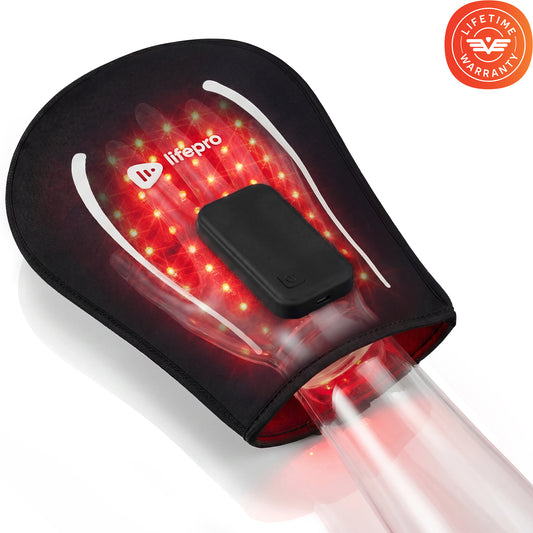
Red Light Therapy for Athletes and Recovery
Red light therapy has moved from professional sports facilities into our home gyms, offering a science-backed way to support faster recovery, reduce muscle soreness, and manage training stress. This technology uses specific wavelengths of light to work at the cellular level, helping your body adapt to demanding workouts more efficiently.
In this guide, you'll learn how red light therapy devices support athletic recovery by boosting cellular energy production, reducing inflammation, and improving tissue repair. We'll cover practical applications for different training phases and how to combine them with other recovery tools, such as vibration plates. We’ll also list what to consider when choosing equipment that fits your routine and goals.
Why Recovery Is a Competitive Advantage for Athletes
You push through another workout, give it everything you have, and wake up the next morning with sore muscles that just won't quit. If this sounds familiar, you're not alone.
You don’t get stronger during training. You get stronger during recovery. That’s when muscles repair, the nervous system resets, and tissues adapt to stress. When sleep, nutrition, or downtime fall short, progress stalls and injury risk climbs.
With year-round competition, high training volumes, and limited access to sports medicine, passive rest isn’t enough. Performance and recovery are inseparable. Athletes who treat recovery as a strategy gain a real edge.
That shift is driving interest in tools like red light therapy, which support the body’s natural healing processes without adding hours in a clinic.
The Shift Toward At-Home Recovery Tools
Not long ago, advanced recovery meant clinic appointments, commuting, and waiting days between sessions. Recovery had to fit someone else’s schedule and not yours.
Today, at-home recovery tools deliver professional-grade support wherever you train—your living room, garage gym, or hotel room. No appointments. No travel. No disruption to your routine.
That accessibility is the point of Lifepro. With portable, user-friendly devices, athletes at every level can build consistent muscle recovery into their daily schedule on their own terms.

How Red Light Therapy Supports Athletic Recovery
Understanding the benefits of red light therapy for athletes requires examining both cellular mechanisms and practical training applications. This section explores the science behind the approach and how it may support faster recovery and better sports performance.
An evidence-based consensus confirms that light therapy, or photobiomodulation (PBM), is a safe treatment modality for adult patients, and red light PBM does not induce DNA damage.1 A red light therapy panel simply delivers light energy that your cells can absorb and use.
Muscle Fatigue and Performance Support
When your cells produce more ATP, they have additional energy needed for muscle work and recovery processes. For muscle cells, this can translate into greater resistance to fatigue during demanding training sessions. Research also reports improvements in recovery outcomes, including muscle strength at 24 h and 48 h after DOMS induction.2
Using red light therapy before or after a workout depends on your goal. As a pre-exercise strategy, research on photobiomodulation suggests it may reduce muscle soreness and support muscle performance 24 hours after exercise-induced damage. Some studies report more repetitions before exhaustion, a longer time to fatigue, and improved peak torque, making it a potential tool for muscular preconditioning during demanding sessions.3
It's worth noting that results across different studies have been inconsistent. While some research suggests improvements in athletic performance metrics, scientists are still working to establish definitive protocols for wavelength, timing, and dosage. Consider this a supportive tool rather than a guaranteed performance enhancer.
Inflammation, Soreness, and Tissue Stress
Your body's inflammatory response serves an important purpose after exercise, initiating the repair process. However, excessive or prolonged inflammation can delay recovery and increase discomfort.
Red light therapy appears to influence inflammatory pathways in ways that support a balanced response. Research examining injured athletes indicates a positive effect on pain reduction.4 The ability to reduce inflammation while supporting tissue repair makes this approach appealing.
Unlike anti-inflammatory medications that can mask pain signals, light therapy works with your body's natural processes. This makes it potentially useful for managing chronic inflammation from repetitive stress, such as tendinitis or joint irritation from high training loads.

Common Athletic Applications for Red Light Therapy
Understanding the science is helpful, but knowing how to actually use red light therapy in real training situations matters more. Athletes using red light therapy report varying protocols depending on their sport, training phase, and individual recovery needs.
Training Cycles and Seasonal Use
Athletes can adjust their red light therapy frequency based on their current training phase:
- Competition season: Muscle fatigue accumulates, becoming a significant factor. Many athletes increase their treatment frequency during these phases to support faster muscle recovery between games, matches, or events. Managing this fatigue effectively can reduce injury risk during the highest competitive demands.
- Off-season training: This period often involves heavier loads as athletes build their base fitness. This is another period where regular sessions can support adaptation to increased training stress. The body is being pushed hard, and exercise recovery support becomes especially valuable.
- Maintenance periods: During maintenance periods between major training blocks, scaling back to a few sessions weekly can help preserve benefits without creating dependence on the technology.
Finding your own rhythm through different phases of training takes some experimentation.
Injury Management and Active Rehabilitation
Red light therapy can complement physical therapy and active rehabilitation programs for soft tissue injuries. Muscle strains, tendon issues, and joint inflammation may all respond to treatment as part of a comprehensive approach.
The cellular mechanisms involved support collagen synthesis and blood vessel formation, both of which are important components of tissue healing. Therapies that decrease inflammation without blocking necessary healing signals offer advantages over some medications. However, light therapy cannot repair structural damage, such as complete ligament tears, which require surgical intervention.
The keyword here is "complement." This approach works best as one element within a broader rehabilitation plan that includes appropriate rest, progressive exercise, and professional guidance when needed.

Combining Red Light Therapy With Other Recovery Modalities
We rarely rely on a single recovery method. Different tools address different aspects of recovery, and strategically combining approaches can produce better results than any single technique alone.
Let's examine one particularly effective pairing.
Red Light Therapy and Vibration Plates
Vibration plates create rapid oscillations that stimulate muscle activation, promote circulation, and support lymphatic drainage. The red light therapy with vibration benefits stem from addressing recovery at both mechanical and cellular levels simultaneously.
A practical approach involves using a vibration plate for five to ten minutes to boost blood flow and warm the tissues. Following this with a light therapy session targeting specific muscle groups allows the treatment to reach tissues that are already primed with increased circulation.
Our vibration plates are designed for versatile, at-home recovery, making them a natural fit for a vibration plate with red light therapy routine. Having both tools available gives you flexibility in structuring your sessions.
Practical Considerations for Athletic Use
Setting appropriate expectations helps you get the most from this technology. Red light therapy supports your recovery process but doesn't replace the fundamentals of proper training, adequate nutrition, quality sleep, and professional medical care when injuries occur.
Frequency of Use
How often should you use red light therapy? Consistency matters more than intensity. Research confirms that the total number of sessions was a significant predictor of pain relief effect size, after adjusting for age.5 Regular sessions of 10 to 20 minutes, performed 3 to 5 times weekly, tend to produce better outcomes than occasional, lengthy sessions. Building this into your routine creates sustainable benefits.
Time It Takes To Work
How long does red light therapy take to work? Results vary, but many athletes notice reduced soreness within 1 to 2 weeks of consistent use. Pay attention to how your body responds over time. Track your soreness levels, sleep quality, and recovery time to gauge whether the treatment is making a meaningful difference for you.
Choosing the Right Setup
Consider these factors when selecting your red light therapy equipment:
- Full-body panels: Cover large areas efficiently, making them ideal for post-workout whole-body sessions.
- Targeted devices: Smaller options work better for focusing on specific muscle groups or joints that need extra attention.
- Portability: Athletes who travel for competition should consider compact options that allow you to maintain your routine on the road rather than abandoning it during important competitive periods.
The best red light therapy device is ultimately one you'll use consistently. Look for simple controls, reasonable session times, and a setup that fits naturally between your training sessions. Lifepro's red light therapy devices are designed with athlete-friendly simplicity, durability, and at-home convenience in mind.
Find Athletic Recovery With Lifepro
At Lifepro, we specialize in wellness and fitness recovery equipment designed to support you on your journey to better health, strength, and mobility. We offer a range of products, including vibration plates, infrared sauna blankets, and other recovery gear. These are all designed to make effective self-care accessible at home.
Check out the Lifepro vibration plate comparison to see the full range of options available, and discover what combination of recovery tools and wellness equipment works best for your body and your goals. As America’s #1 vibration plate brand*, we're here for you every step of the way.
*Disclaimer: Ranking based on SmartScout data for vibration plates.
Sources:
- PubMed National Institutes of Health. Evidence-based consensus on the clinical application of photobiomodulation. https://pubmed.ncbi.nlm.nih.gov/40253006/
- PubMed Central (National Center for Biotechnology Information). Effects of Photomodulation Therapy for Delayed Onset Muscle Soreness: A Systematic Review and Meta-Analysis. https://pmc.ncbi.nlm.nih.gov/articles/PMC12286287/
- PubMed National Institutes of Health. Effects of photobiomodulation, intermittent pneumatic compression and neuromuscular electrical stimulation on muscle recovery: Systematic review with meta-analysis. https://pubmed.ncbi.nlm.nih.gov/40954632/
- PubMed National Institutes of Health. Effects of Photobiomodulation on Pain and Return to Play of Injured Athletes: A Systematic Review and Meta-analysis. https://pubmed.ncbi.nlm.nih.gov/38781474
- PubMed National Institutes of Health. Shedding more light on the short-term effect of low-level laser therapy on pain in tendinopathy: A systematic review with meta-analysis. https://pubmed.ncbi.nlm.nih.gov/40437920/